How to Use Acid Dyes for Vibrant Fabric Coloring?
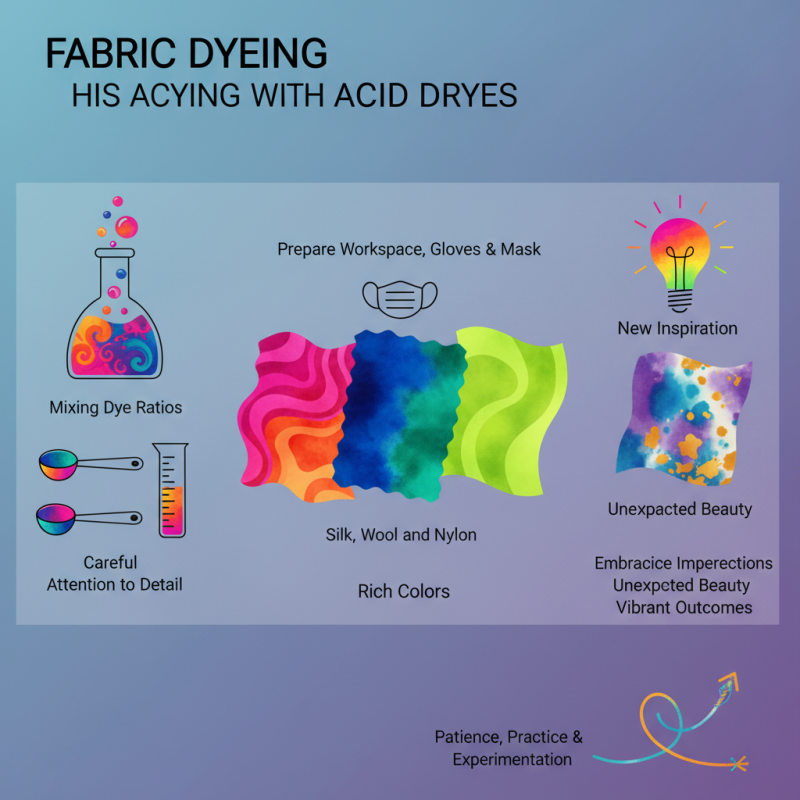
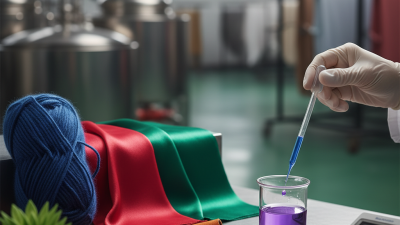
When it comes to vibrant fabric coloring, Acid Dyes offer an exciting option. These dyes are perfect for silk, wool, and nylon. They produce rich colors that brighten any fabric. The dyeing process can feel overwhelming, yet it holds unique rewards. Using Acid Dyes requires careful attention to detail and technique.
Mixing the correct dye ratios is crucial. The results can vary if the measurements are off. Color intensity and dye fixation also depend on the fabric's quality. Prepare your workspace with necessary supplies, including gloves and a mask. Remember, mistakes can happen. Not all dyeing attempts yield the desired effect.
Embracing those imperfections can lead to unexpected beauty. Sometimes, experimenting with color combinations brings new inspiration. Acid Dyes can transform fabrics, but patience is key. With practice and experimentation, vibrant outcomes await.
Understanding Acid Dyes: Types and Characteristics
Acid dyes are a fascinating choice for vibrant fabric coloring. These dyes are water-soluble and specifically designed for protein fibers. Wool and silk are prime candidates for this dyeing method. The bright shades and excellent wash-fastness make acid dyes popular among textile artists. Consider the type of fabric you are working with; not all will react the same way.
Different acid dyes produce various effects. Some achieve deeper, richer colors, while others may result in pastels. When using these dyes, pay attention to pH levels. A more acidic environment enhances color absorption, but it's easy to overdo it. Experimentation is key here. You might find some colors don't turn out as expected. Reflecting on these outcomes can improve your technique.
When dyeing, the process isn't always perfect. Variations in temperature and time can affect results. You might end up with uneven patches or unexpected shades. This can be frustrating but also offers learning opportunities. Document your experiments. This way, you can track what works and what doesn’t. Each dyeing session is a chance to refine your skills and deepen your understanding.
Preparing Fabric for Acid Dyeing: Essential Steps
Preparing fabric for acid dyeing is essential for achieving vibrant colors. Start by choosing the right fabric. Protein fibers like silk and wool work best. Before dyeing, wash the fabric thoroughly to remove any impurities. This step helps the dye adhere better.
After washing, it's important to soak the fabric in a mordant solution. This process helps fix the dye to the fibers. Mix the mordant according to package instructions. Let the fabric soak for the recommended time. Ensure it’s fully submerged for even results.
Tips: Always wear gloves. Dyes can stain skin easily. Use a dedicated workspace to avoid mess. It’s normal to feel a bit overwhelmed. Experimentation is part of the fun in dyeing. Some colors may not turn out as expected. Don't be discouraged; take notes for next time.
Dyeing Process: Step-by-Step Guide to Using Acid Dyes
Acid dyes are popular for their vibrant colors on protein fibers like wool and silk. They require careful handling and precise measurements. Start by gathering necessary materials. This includes acid dye, gloves, a dye pot, and a thermometer. Prepare your fabric by washing it to remove any residues. The fabric should be damp before dyeing.
Heat water to a specific temperature before adding the dye. A common recommendation is to dissolve one ounce of acid dye in two gallons of water. Stir the mixture thoroughly to ensure consistent color. Once dissolved, you can add the prepped fabric to the pot. Maintain a steady temperature, ideally between 180°F and 212°F. This range helps the dye bond effectively with the fibers.
Monitor the dyeing process closely. Depending on the desired shade, immersion can last from 20 minutes to an hour. Regularly check the color intensity, as it may not match your expectation right away. Acid dyeing is a trial-and-error process. Sometimes colors appear differently after rinsing, which can be frustrating. Adjust your technique based on these outcomes. Experimentation helps improve skills and achieve vibrant results.
Setting the Dye: Techniques for Color Fixation
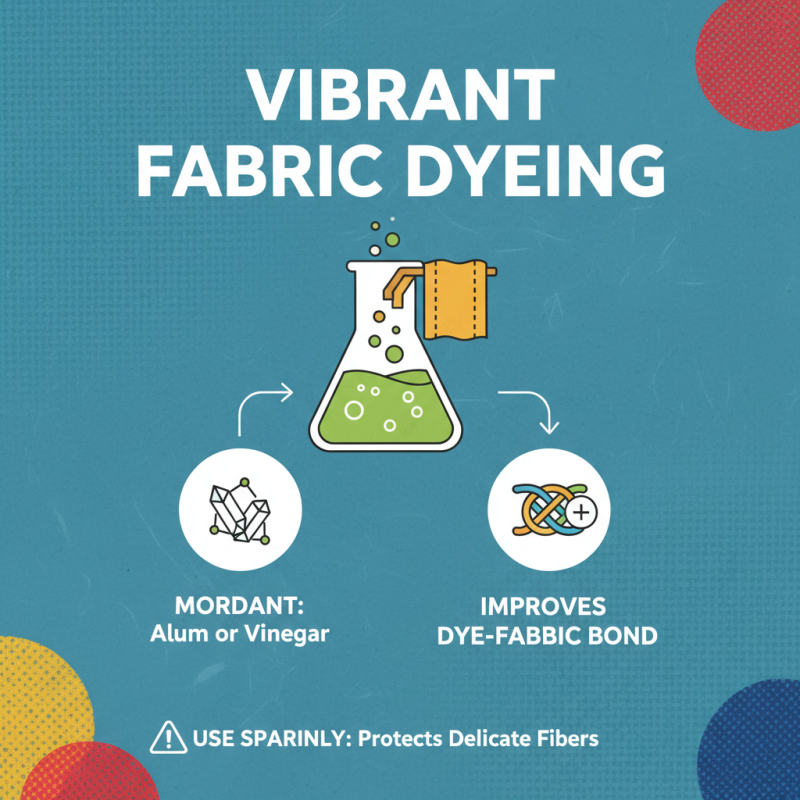
Setting the dye is crucial for vibrant fabric coloring. One effective technique is using a mordant. A mordant helps the dye bond with the fabric. Common choices include alum or vinegar. However, be mindful of the amount used. Too much can damage delicate fibers.
Heat can also play a significant role in color fixation. After dyeing, heat the fabric in a steam application. This helps the fibers absorb the dye more effectively. Yet, the heat setting time varies. You might end up with uneven colors if not timed properly. Experimentation is key. It's essential to document your process, noting when colors react differently.
Finally, rinsing plays a pivotal role. After dyeing, rinse your fabric carefully. Use cold water to prevent color bleeding. A careful rinse can often reveal unexpected surprises. Sometimes, colors can appear lighter or darker after rinsing. Embrace these quirks and adjust your methods. Each experience offers a chance to refine your technique.
Caring for Dyed Fabrics: Maintenance Tips for Longevity
Caring for dyed fabrics is essential for maintaining their vibrant colors. Acid dyes, commonly used for protein fibers like silk and wool, can fade without proper care. According to industry reports, maintaining color integrity requires specific washing techniques and storage solutions.
When washing dyed fabrics, always use cold water. Hot water can cause colors to bleed, dulling the fabric's vibrancy. A gentle, pH-neutral detergent is ideal. Avoid bleach, which can irreparably damage the fibers. Consider hand washing for delicate fabrics, as machine washing increases wear.
Storing dyed fabrics correctly is also crucial. Avoid direct sunlight, which can fade colors over time. Instead, keep items in a cool, dark place. Use breathable fabric bags for storage. This prevents mildew and maintains the fibers' integrity.
Tip: Regularly inspect your dyed fabrics for signs of fading or damage. Early detection can save your favorite pieces from irreversible harm. Another suggestion is to rotate items worn frequently, giving each piece time to rest. Enjoy your vibrant colors longer with these simple yet effective care techniques.
Fabric Dyeing with Acid Dyes: Color Retention Over Time
This chart illustrates the color retention percentage of fabrics dyed with acid dyes over time. It shows a slight decrease in brightness as time progresses, emphasizing the importance of proper care and maintenance to prolong the vibrancy of the dyed fabric.