Top 5 LPG Storage Tank Options for Safe Storage?
When it comes to safely storing liquefied petroleum gas (LPG), choosing the right LPG Storage Tank is essential. The safety and efficiency of these tanks are paramount for both residential and commercial users. Various designs and sizes cater to different needs. This can create challenges for those unfamiliar with the options available.
Selecting an LPG Storage Tank requires careful consideration. Each option has distinct features and benefits. For instance, some tanks are above-ground, while others are underground. These choices can influence safety, accessibility, and space requirements. Moreover, there are factors like climate and local regulations to rethink.
In this guide, we will explore the top five LPG Storage Tank options on the market today. We aim to provide insights into their practicality and safety. Knowing the strengths and weaknesses of each option is vital for making informed choices. This understanding is especially crucial in a landscape where safety cannot be compromised.
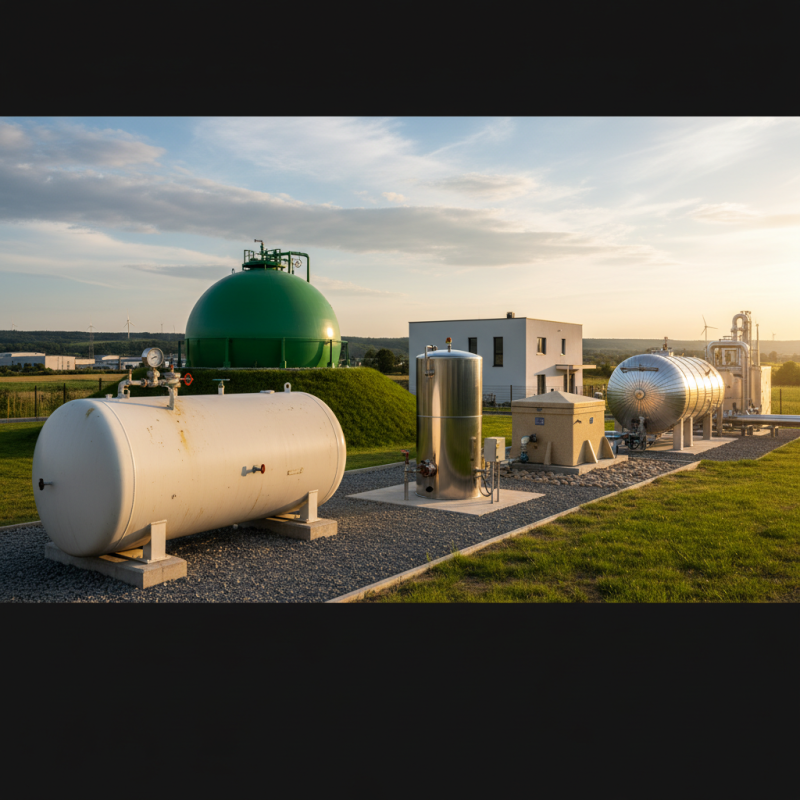
Understanding LPG Storage Tanks: Types and Applications
LPG storage tanks come in various types, each with specific applications. Understanding these options is crucial for safe and efficient storage. Above ground tanks are popular for residential use. They are easy to access for refill and monitoring. However, they can be vulnerable to environmental factors.
Underground tanks are another choice. These are often used in commercial settings. They provide a concealed solution, minimizing risks related to theft and vandalism. Yet, installation costs can be high, and maintenance may be more challenging.
Customized tanks offer flexible design. They can cater to specific needs, such as capacity and pressure levels. However, the risk of leaks or breaches increases without proper care. Assessing the right tank type helps ensure safety and functionality. Exploring all these options is essential for effective LPG storage solutions.
Key Factors to Consider When Choosing an LPG Storage Tank
When choosing an LPG storage tank, safety is paramount. Consider the material of the tank. Steel and fiberglass tanks are common. Each has its pros and cons. Steel tanks are durable but may corrode over time. Fiberglass tanks resist corrosion but can be more costly. Assess your environment as it affects tank longevity.
Another important factor is the tank's capacity. Determine the volume you need based on usage. A tank too small will require frequent refills. Conversely, a tank that is excessively large may lead to inefficiencies. Think about your expected growth. Will your needs increase in the future?
Check for local regulations. They often dictate installation and maintenance practices. Ignoring these can result in penalties or accidents. Finally, consider the tank's location. It should be easily accessible for deliveries and maintenance. Yet, it needs to be away from flammable materials. This balance requires careful thought. Safety should always come first, but practicality matters too.
Top 5 LPG Storage Tank Options for Safety and Efficiency
When selecting an LPG storage tank, safety and efficiency should be your top priorities. Various options are available, each with unique features. Consider above-ground tanks for easier access and maintenance. These tanks are often used in residential areas. Their visibility allows for regular inspections. However, they can be vulnerable to environmental factors.
On the other hand, underground storage tanks offer additional safety. They are less exposed to accidents or vandalism. However, monitoring them can be more challenging. Leaks may go unnoticed for a long time. It’s crucial to choose tanks made from durable materials. Aging infrastructure can pose significant risks.
Additionally, portable tanks provide flexibility. They are ideal for temporary storage or when space is limited. Yet, they often have reduced capacity. The risk of overfilling is also something to consider. Regular checks and proper training for staff can minimize hazards. LPG storage involves constant vigilance and planning. Finding the right option requires careful thought and alignment with safety measures.
Maintenance Practices for Safe LPG Tank Operation
When it comes to maintaining LPG storage tanks, regular inspections are crucial. The National Fire Protection Association (NFPA) recommends monthly visual inspections to detect any leaks or corrosion. These inspections are essential to ensure the tank remains safe and functional. A simple check can reveal issues before they escalate into serious hazards.
Tips: Always keep the inspection log updated. This helps in tracking changes over time and provides vital information for safety audits.
Proper maintenance practices also include ensuring that safety valves are operational. According to industry reports, malfunctioning valves account for over 20% of LPG-related incidents. Tank operators need to be proactive about testing these devices regularly. This not only protects personnel but also the surrounding environment.
Moreover, it’s vital to keep the area around the tank clean and clutter-free. Debris can obstruct the tank's ventilation and pose risks. Regularly removing any flammable materials is a simple yet effective practice.
Tips: Schedule routine clean-up sessions. Engage staff in these activities to foster a culture of safety.
Inadequate maintenance can lead to catastrophic consequences. Operators must be vigilant and informed. By following best practices, risks can be minimized significantly.
Top 5 LPG Storage Tank Options for Safe Storage
| Tank Type | Capacity (Liters) | Material | Safety Features | Maintenance Frequency |
| Above Ground Tank | 1000 | Steel | Pressure relief valve, overfill protection | Monthly |
| Underground Tank | 3000 | Fiberglass | Corrosion protection, monitoring system | Quarterly |
| Cryogenic Tank | 5000 | Stainless Steel | Temperature control, vacuum insulation | Biannual |
| Horizontal Tank | 2000 | Carbon Steel | Grounding system, leak detection | Monthly |
| Vertical Tank | 1500 | Aluminum | Emergency shutoff, visual inspection ports | Monthly |
Regulatory Standards for LPG Storage Tank Safety
When considering the safety of LPG storage tanks, regulatory standards play a vital role. Compliance with these regulations is essential for manufacturers and operators. For example, the National Fire Protection Association (NFPA) outlines specific guidelines to minimize risk and ensure safety. According to reports, proper installations can reduce incidents by nearly 30% within a facility.
Several countries implement stringent standards for LPG storage. The International Organization for Standardization (ISO) promotes guidelines for construction and maintenance. Reports suggest that adherence to these codes not only enhances safety but also boosts operational efficiency. Anomaly in adherence can lead to catastrophic events, emphasizing the need for strict compliance.
Regular inspections and maintenance are paramount. The British Compressed Gases Association recommends frequent checks to identify potential leaks. Inadequate monitoring can pose threats, both to human life and the environment. Over 50% of LPG incidents stem from overlooked maintenance issues. Prioritizing these regulations is crucial, yet many facilities still lag behind in consistent compliance.