Top 10 Facts About Lithium Batteries You Need to Know?
Lithium Batteries have revolutionized how we power our devices. They are lightweight and energy-dense, making them ideal for smartphones, laptops, and electric vehicles. However, their rise comes with both advantages and concerns.
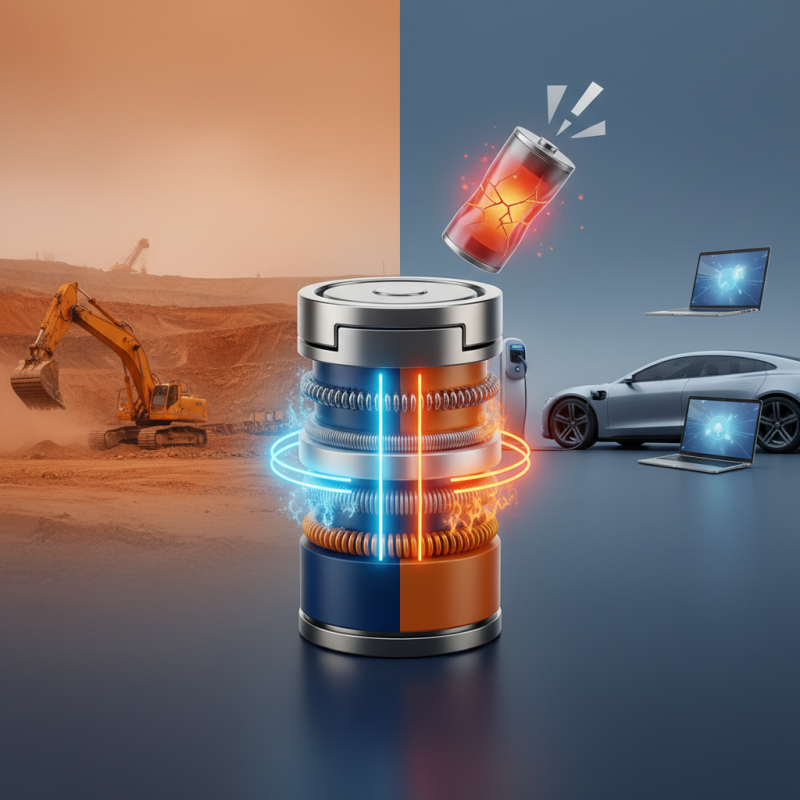
One notable fact is the environmental impact linked to lithium extraction. It raises questions about sustainability and responsible sourcing. Moreover, temperatures affect battery performance. Extreme heat or cold can lead to reduced efficiency, highlighting a need for careful usage.
Despite their widespread popularity, lithium batteries require mindful handling. Overcharging poses risks, leading to potential hazards. Users must be aware of proper care to ensure safety. Understanding these facts is essential in navigating the future of lithium batteries responsibly.
What are Lithium Batteries and How Do They Work?
Lithium batteries are common in today’s technology. They power everything from smartphones to electric cars. But how do they actually work? At the core, a lithium battery consists of an anode, cathode, and electrolyte. When charged, lithium ions move from the anode to the cathode through the electrolyte. This movement creates electricity, which powers your devices.
Operating in different environments can affect battery performance. Extreme temperatures can reduce battery efficiency. High heat can even cause a battery to swell or fail. It’s important to keep your devices within a safe temperature range to extend battery life. Make sure to regularly check your device for any signs of overheating.
Tips: To maintain battery health, avoid letting your device fully die. Instead, charge it when it reaches about 20%. Also, try not to keep your devices plugged in overnight. This can cause overcharging and reduce battery lifespan. Reflect on how frequently you use fast charging. While convenient, it can also lead to faster wear and tear.
Top 10 Facts About Lithium Batteries You Need to Know
| Fact Number | Fact | Details |
| 1 | High Energy Density | Lithium batteries have a high energy density, allowing them to store more energy in a smaller size compared to other batteries. |
| 2 | Long Lifespan | Typically have a lifespan of 2-3 years or around 300-500 charge cycles. |
| 3 | Lightweight | Lithium batteries are lighter than lead-acid or nickel-cadmium batteries of equivalent capacity. |
| 4 | Low Self-Discharge Rate | They lose their charge at a lower rate compared to other types of batteries. |
| 5 | Temperature Tolerance | Function well in a variety of temperatures, although extreme heat can be detrimental. |
| 6 | Fast Charging | Can be charged much quicker than older technology batteries. |
| 7 | Environmentally Friendly | Contain fewer harmful substances than batteries like nickel-cadmium. |
| 8 | Used in a Variety of Applications | From electric vehicles to smartphones, their use is widespread. |
| 9 | Safety Features | Modern lithium batteries include protection against overcharging and overheating. |
| 10 | Recyclability | Efforts are being made to recycle lithium-ion batteries to recover valuable materials. |
The History and Development of Lithium Battery Technology
The history of lithium battery technology is a fascinating journey. It began in the 1970s. Scientists wanted to create a more efficient power source. Early prototypes were developed, but they had issues. They were often unstable and could catch fire. This hindered progress for years.
In the 1990s, researchers finally made breakthroughs. A safer and more reliable lithium-ion battery was introduced. This marked a turning point in energy storage. Portable devices, like phones, became widespread. The technology evolved quickly. Today, lithium batteries power a wide range of electronics. However, challenges remain. Recycling processes are often inadequate. Environmental concerns linger. Many hope for advancements in sustainable solutions. The path has been complex and not without hiccups.
Common Applications of Lithium Batteries in Modern Devices
Lithium batteries are pivotal in today's tech landscape. They are found in smartphones, laptops, and electric vehicles. According to a report from the International Energy Agency (IEA), global sales of electric vehicles surged by 54% in 2021. This growth is largely attributed to advancements in lithium battery technology. These batteries enable longer driving ranges and faster charging times, making EVs more appealing to consumers.
In addition to transportation, lithium batteries are essential in portable electronics. A study from Statista indicated that over 1.4 billion smartphones were sold worldwide in 2021, each reliant on lithium-ion batteries. These batteries provide power in a compact, lightweight design, crucial for mobile devices. However, they raise sustainability concerns. Although lithium is abundant, mining practices often harm the environment. There's still a long way to go in recycling these batteries effectively.
The use of lithium batteries spans across various sectors. They play a significant role in renewable energy storage. As more people adopt solar and wind energy, reliable storage solutions are critical. Yet, the lifecycle of lithium batteries poses challenges. Developing effective recycling systems is essential to minimize waste. Adopting cleaner mining processes also needs urgent attention. The future of lithium batteries holds promise, but we must address these concerns.
Environmental Impact and Recycling of Lithium Batteries
Lithium batteries are widely used today. However, their environmental impact raises many concerns. The mining of lithium can harm local ecosystems. Water usage in mining is intensive, affecting nearby communities. It leaves scars on the landscape, often irreversible.
Recycling lithium batteries is essential. A significant percentage of lithium is not recycled, leading to waste. Improper disposal can release harmful chemicals into the environment. Many batteries end up in landfills, a troubling reality. There’s a need for better systems to handle recycling. Innovations in technology may improve the efficiency of recycling processes.
There are gaps in current recycling methods. Many consumers are unaware of how to recycle. Awareness is crucial for promoting sustainable practices. Educating the public can lead to better battery disposal. Sustainable solutions are not just a future goal; they are needed now.
Safety Considerations and Risks Associated with Lithium Batteries
Lithium batteries have revolutionized our world, but their safety is a major concern. One common risk is overheating. This can cause thermal runaway, leading to fire or explosion. It's essential to monitor battery temperature, especially during charging. Users often ignore this, thinking it won't happen to them.
Short circuits can also be a problem. If a battery is damaged, it can create a path for current to flow uncontrollably. This may result in sparking or even fire. Proper handling and storage are vital. Keep batteries away from sharp objects and extreme temperatures.
Last but not least, recycling lithium batteries is tricky. Many don’t know how to dispose of them safely. Improper disposal can lead to environmental harm. Awareness is key, and taking time to understand these risks is crucial.
Top 10 Facts About Lithium Batteries - Safety Considerations and Risks