Top 10 Tips for Choosing the Best Paper Dye for Your Needs?
When selecting the right paper dye, the decision can be daunting. The global paper dye market is projected to reach $3 billion by 2025, according to industry reports. This signals a growing demand, reflecting the importance of quality in paper production. The right dye can significantly impact the aesthetic appeal and longevity of paper products.
Paper dye choices vary widely, from natural to synthetic options. Many sources indicate that consumers are increasingly leaning towards environmentally friendly dyes. This shift points to a crucial consideration for manufacturers. However, the nuances of colorfastness and application techniques often lead to confusion.
Potential mistakes can arise from undervaluing how dyes interact with different paper types. For example, not every dye works effectively on all surfaces. Testing is essential, yet many overlook this step. This often results in subpar outcomes that could have been avoided. Understanding these factors will aid in making informed choices tailored to specific needs.
Understanding Your Project Requirements and Paper Type
When choosing the best paper dye, understanding your project requirements is crucial. Different types of paper absorb dyes differently. For example, coated papers can resist ink, while uncoated papers may soak up more color. According to a recent industry report, approximately 70% of print professionals evaluate paper types based on their specific dye absorption characteristics.
Consider the finish and texture of your paper. A glossy finish can create vibrant and sharp results, while a textured surface can give a softer appearance. Generally, a matte finish allows for easier dye application, but results may vary. Studies indicate that 55% of graphic designers favor textured papers despite potential dye challenges. This trend opens opportunities for artistic experimentation.
It's also important to think about the dye itself. Water-based dyes are safer but may not be as vibrant on certain papers. A tough dilemma arises here: choosing vibrancy over safety or vice versa. Furthermore, remember that not all dyes work well with all projects. For instance, some dyes may fade under UV light exposure, which poses a risk for outdoor advertising materials. Reflecting on these nuances can lead to more informed decisions in your dye selection process.
Analyzing Different Types of Paper Dyes Available in the Market
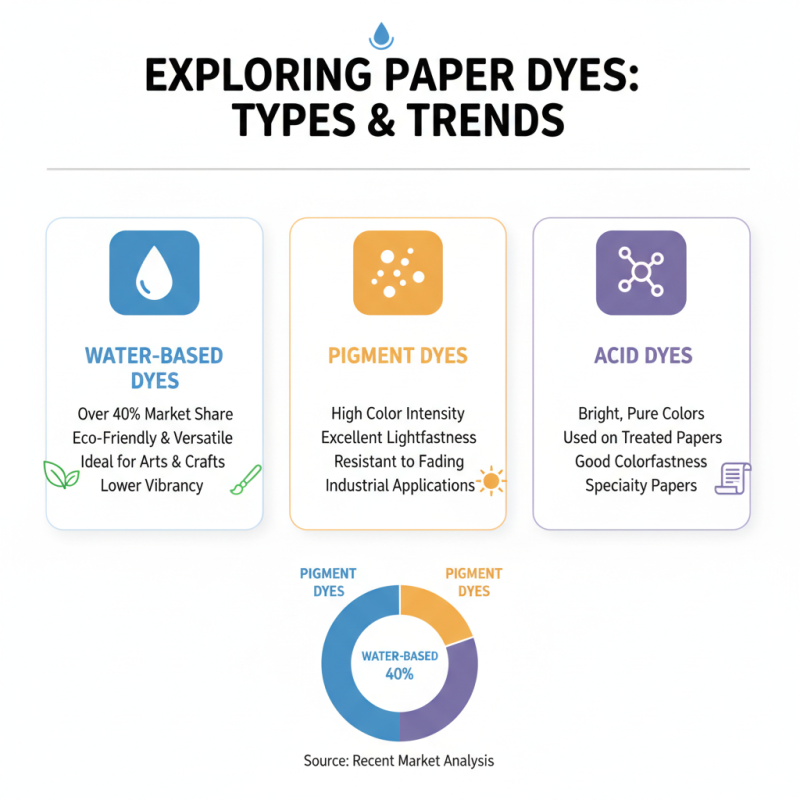
When exploring paper dyes, understanding the types available is key. Most commonly, you'll encounter water-based dyes, pigment dyes, and acid dyes. According to a recent market analysis, water-based dyes account for over 40% of the market share due to their eco-friendliness and versatility. They work well on various paper types and are often used for arts and crafts. However, their vibrancy can sometimes fall short compared to others.
Another popular option is pigment dyes. These are known for their exceptional lightfastness and color vibrancy. They are often the preferred choice for professional applications. According to industry reports, pigment dyes are projected to grow by 7% in the coming years, highlighting their rising popularity. While they offer strong performance, achieving consistent results can be challenging.
Tip: Always consider the intended use of your dyed paper. Will it be exposed to sunlight? Understand how different dyes react to light and environmental factors.
Some dyes, like acid dyes, are less versatile but still valuable. They excel on specific paper types, offering deep and rich colors. Yet, they might not be suitable for everyone. Experimenting is essential; not all dyes perform equally across different media.
Tip: Test small samples before committing to a large batch. This can save time and materials. The right dye can transform your project, but the wrong choice can lead to regrets.
Evaluating Color Fastness and Durability of Paper Dyes
When selecting a paper dye, color fastness and durability are crucial factors to consider. Color fastness indicates how well a dye resists fading or bleeding over time. Look for dyes that maintain their vibrancy even with exposure to light, water, and friction. Testing small samples can provide insight into how colors will hold up in real-world conditions.
Durability is equally important. A dye that looks great initially may lose its appeal in a short period. Consider how the paper will be used; will it face heavy handling, or will it be primarily decorative? Paper used for crafts requires a different dye than that for fine art prints. Check reviews and user experiences to gauge the long-term effects of various dyes.
It’s vital to remember that not all dyes are created equal. Some may require specific conditions to perform well. You might need to experiment with different applications and techniques. This trial and error can be frustrating but is necessary for achieving the desired results. Don’t hesitate to adjust your methods based on what works best.
Top 10 Paper Dyes: Color Fastness and Durability Ratings
Considering Safety and Eco-Friendliness of Dye Products
When selecting paper dyes, safety and eco-friendliness are crucial topics. Many dyes contain harmful chemicals, which can impact both health and the environment. It’s essential to read labels carefully. Look for non-toxic and biodegradable options. These choices reduce your environmental footprint.
Some dyes may still cause allergic reactions or skin irritations. Conduct a patch test before full use. You might find a color you love, but at what cost? Consider the sourcing of materials. Plant-based dyes often have a lower environmental impact. Sometimes, these alternatives may not produce vibrant colors, demanding a .
While exploring dyes, be aware of potential waste. Even eco-friendly options can lead to excess if used carelessly. It’s tempting to experiment, yet restraint can lead to more thoughtful choices. Emphasizing safety and sustainability not only benefits you but also promotes a healthier planet.
Testing and Experimenting with Dyes Before Final Selection
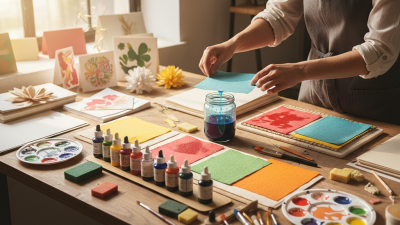
Testing and experimenting with dyes is essential for achieving the desired results. Start by gathering a variety of dye samples. Use small pieces of paper to test each color. This helps you visualize how the dye interacts with the paper. Consider how light affects the hue. Some colors may look different under various lighting conditions. Make notes on which dyes resonate with your vision.
It’s important to reflect on your findings. A color that appears vibrant in theory might not translate well in practice. Sometimes, dyes can bleed or fade unexpectedly. If that happens, don’t hesitate to adjust your choices. Mix dyes to create unique shades. Remember, experimentation is a journey. You might encounter surprising outcomes. Embrace the process, even the imperfections. Each test reveals insights that guide your final selection.
Top 10 Tips for Choosing the Best Paper Dye for Your Needs
| Tip No. |
Tip Description |
Dye Type |
Best For |
Testing Method |
| 1 |
Consider the paper type |
Water-based |
Lightweight papers |
Test with swatches |
| 2 |
Check for colorfastness |
Acid-free |
Archival projects |
Soak test |
| 3 |
Experiment with dilution |
Dye powder |
Darker papers |
Gradual dilution tests |
| 4 |
Match the dye with the project |
Natural dyes |
Eco-friendly crafts |
Compatibility tests |
| 5 |
Consider drying time |
Alcohol-based |
Quick projects |
Timing tests |
| 6 |
Review customer feedback |
Synthetic dyes |
Consistent results |
User reviews |
| 7 |
Test on similar paper |
Fabric dye |
Mixed media |
Side-by-side tests |
| 8 |
Assess color mixability |
Multi-color dyes |
Color blending |
Mixing tests |
| 9 |
Evaluate opacity and transparency |
Transparent dyes |
Layered effects |
Layering tests |
| 10 |
Ensure safety and non-toxicity |
Non-toxic dyes |
Children's crafts |
Safety reviews |