What is Indigo Dye and How is It Used Today?
Indigo dye has a rich heritage and a modern role. Renowned textile expert Dr. Emily Stone states, “Indigo dye connects us to our past while inspiring future designs.” This vibrant blue dye has been used for centuries. From ancient civilizations to contemporary fashion, its applications are diverse.
In today's world, indigo dye is making a comeback. Sustainable fashion brands are exploring eco-friendly methods to produce this dye. It offers unique shades and endless possibilities. Many artisans focus on preserving traditional techniques. This creates a tangible link to history. However, the industry faces environmental challenges. Some synthetic dyes pollute waterways, raising ethical concerns.
Indigo dye's captivating beauty and lasting significance invite reflection. As we embrace its legacy, we must consider the environmental impact. Balancing tradition with innovation can be complex. Each step forward requires careful thought. The future of indigo dye depends on mindful practices.
What is Indigo Dye: An Overview of Its Origins and Composition
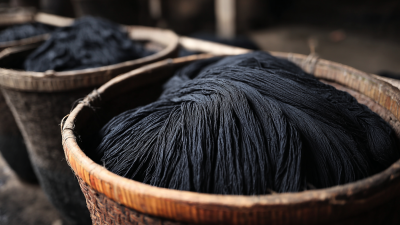
Indigo dye has a rich history dating back thousands of years. It originated from the indigo plant, which contains indican, a compound that produces a vivid blue color. This dye was highly sought after in many cultures, particularly in Asia and Africa. It played a significant role in trade, sometimes even used as currency. Today, indigo dye is derived either from natural sources or synthetic processes. The global market for indigo dye was valued at approximately $2 billion in recent years, highlighting its ongoing importance in the textile industry.
Indigo dyeing is an art form with specific traditional methods still practiced today. These often involve a fermentation process that can take several days. The color produced can vary based on the dyeing technique and the fabric used. Unfortunately, many modern dyes are synthetic and don't capture the depth of indigo's natural hues. This shift raises concerns about environmental impacts and the loss of cultural heritage.
Tips: When working with indigo, always wear gloves. This helps avoid staining your skin. Also, testing dye samples on fabric can prevent unintentional color outcomes. Remember, working with natural dyes requires patience; results can be unpredictable. Embrace the journey of discovery in dyeing!
The Historical Significance of Indigo Dye in Different Cultures
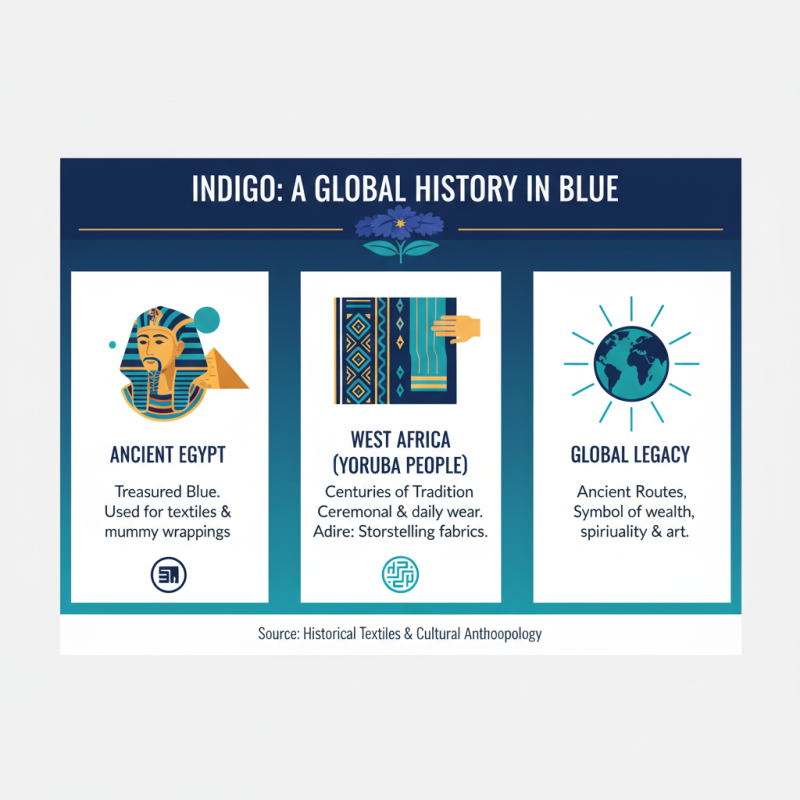
Indigo dye has deep historical roots in various cultures around the world. In ancient Egypt, it was treasured for its vivid blue hue. Egyptians used indigo to color textiles and even mummies. Its significance extends to Africa, where it has been used for centuries in ceremonial dress and everyday wear. The Yoruba people of Nigeria held indigo-dyed fabrics, known as adire, in high regard. These fabrics tell stories through intricate patterns and designs.
In Asia, indigo dye has a rich history as well. In Japan, artisans have mastered the art of shibori, a traditional tie-dye technique using indigo. These textiles reflect cultural heritage and craftsmanship. In India, indigo dye was integral to the economy during the colonial period. The dyeing process, however, was often labor-intensive and exploitative, leading to reflection on its legacy.
Today, indigo is experiencing a resurgence in popularity. However, the environmental impact of some modern dyeing practices raises concerns. Many seek sustainable methods to honor the rich history of indigo while protecting the planet. Cultural significance remains strong, but we must tread carefully. There is beauty in tradition, but the journey forward should be mindful.
Modern Techniques for Producing and Applying Indigo Dye
Indigo dye, derived from the leaves of the indigo plant, has seen a revival in modern textile arts. Today's techniques utilize both traditional fermentation processes and innovative synthetic methods. Many artisans now experiment with natural extraction. This can lead to unique color variations and textures. The challenge lies in achieving consistency in color depth and wash fastness.
Modern dyeing methods often involve tie-dyeing and shibori techniques. These methods require skill and patience. The result is beautiful but sometimes unpredictable. Each piece created is unique, reflecting the artist's touch. However, the journey can be frustrating. Dyed fabrics may not turn out as vivid as desired. This leaves room for improvement and creativity in future projects.
Environmentally friendly practices are becoming more popular. Many artisans prioritize sustainable sourcing of indigo. This focus on eco-consciousness can sometimes clash with traditional practices. Balancing modern demands and age-old techniques presents a learning curve. Each attempt pushes the boundaries of creativity while highlighting the importance of maintaining cultural heritage.
Current Applications of Indigo Dye in Fashion and Industry
Indigo dye has a rich history dating back thousands of years. Today, it finds renewed life in fashion and various industries. Its deep blue hue is favored for denim, a staple in casual wear. Many designers appreciate the uniqueness of indigo. Each piece dyed in this color tells a different story. The variations in the dyeing process create a one-of-a-kind finished product.
In addition to fashion, indigo dye also plays a role in home textiles. Curtains, cushions, and bed linens often utilize this vibrant color. Its natural origin makes it appealing for those seeking sustainable choices. However, the dyeing process can be resource-intensive. There are environmental concerns that require attention. The industry must find a balance between tradition and sustainability to reduce its impact.
In crafts, indigo has become popular again. People are experimenting with it in fabric art and surface design. Some even explore shibori techniques, creating patterns through folding and binding. This hands-on approach fosters creativity. Yet, there is still a need for awareness about water usage and waste. The beauty of indigo dye is undeniable, but it prompts reflection on our practices and their long-term effects.
What is Indigo Dye and How is It Used Today? - Current Applications of Indigo Dye in Fashion and Industry
| Application Area |
Description |
Sustainability Aspect |
Notes |
| Fashion |
Used for dyeing materials such as jeans and other apparel. |
Natural dye made from plants; reduced chemical runoff. |
In high demand for eco-friendly fashion trends. |
| Home Textiles |
Applied in curtains, upholstery, and bed linens. |
Biodegradable and less harmful to the environment. |
Popular for its vibrant yet natural shade. |
| Art and Craft |
Used in textile arts like batik and quilting. |
Supports traditional dyeing methods; promotes cultural heritage. |
Increases interest in artisanal crafts. |
| Cosmetics |
Incorporated in products for natural blue pigment. |
Non-toxic alternative to synthetic dyes. |
Growing trend in clean beauty products. |
| Industrial Uses |
Used in the dyeing of textiles in large-scale production. |
Less water-intensive processes being developed. |
Industry moving towards sustainable sources. |
Environmental Impact and Sustainability of Indigo Dye Practices
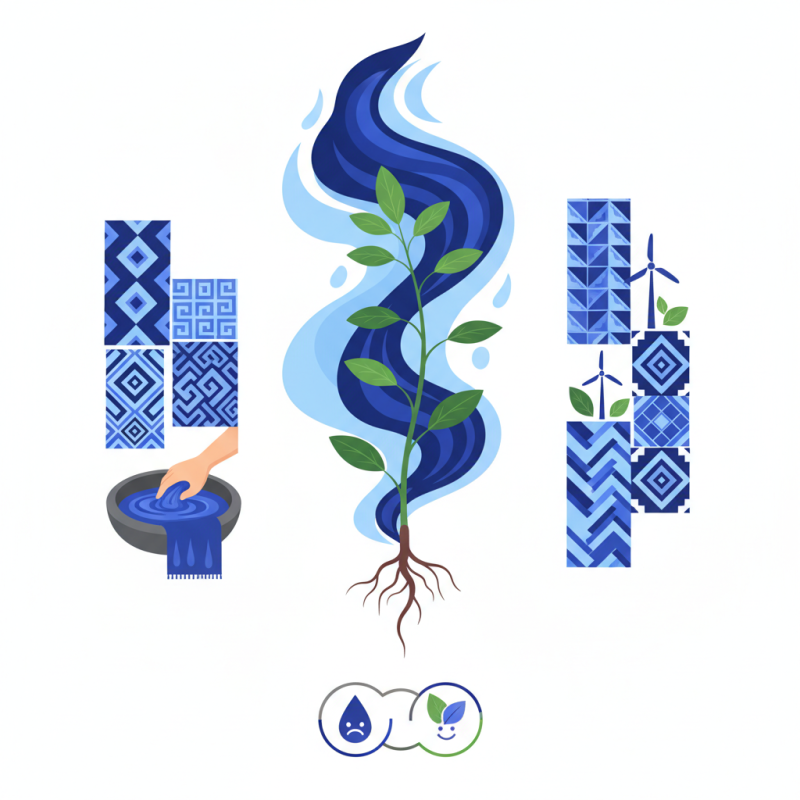
Indigo dye has a rich history. Its vibrant blue hue comes from plants, primarily the indigofera species. Today, this dye is making a comeback in fashion and art. However, the environmental impact of indigo dye practices is significant. Traditional methods often involve harmful chemicals that pollute waterways. The production process can deplete local water supplies and harm ecosystems.
Sustainability efforts are underway. Many artisans are shifting towards organic farming methods. This reduces chemical use and helps restore soil health. Some communities are also reviving ancient techniques. These methods are less water-intensive and maintain biodiversity. Yet, challenges remain. Not all practices are fully sustainable. Some production still relies on synthetic dyes, which contribute to pollution. This creates a need for greater awareness and responsibility among consumers.
Indigo dye's charm lies in its depth and complexity. Changes in practices can significantly reduce environmental harm. We must balance beauty and sustainability in our choices. Communities need support to continue these eco-friendly methods. Each decision we make influences the planet. Dialogues about sustainable practices are essential for the future of indigo dye.
Environmental Impact of Indigo Dye Practices