How to Choose the Right Water Pump Casing for Your Needs?
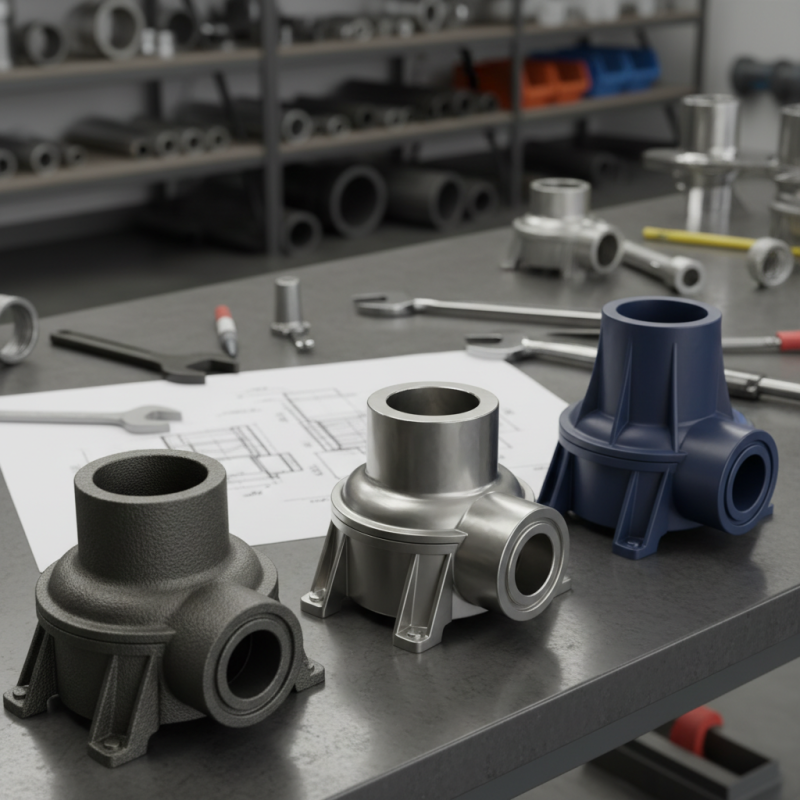
Choosing the right water pump casing is crucial for efficiency. The casing affects performance, durability, and maintenance needs. When selecting, consider material types like plastic, cast iron, or stainless steel. Each has its advantages and limitations.
Think about the working environment. A properly suited water pump casing can enhance the pump's lifespan. However, many overlook this aspect. You might find a well-rated pump, but the casing might not fit your specific needs. This oversight can lead to frequent repairs or replacements.
Evaluate the pump's intended use. Will it handle clean water or wastewater? The casing must match these requirements. As you navigate through options, reflect on what truly suits your application. Making an informed choice will benefit you in the long run, avoiding unnecessary expenses and frustrations.
Factors to Consider When Selecting a Water Pump Casing
Choosing the right water pump casing is crucial. Various factors can influence your decision. Understanding these can lead to a more efficient system.
One major consideration is the material of the casing. Different materials offer varied durability and resistance to corrosion. For example, metal casings are strong but may rust over time. Plastic options are lighter but can be less durable. Evaluate the environment where the pump will operate. If it’s abrasive or has chemicals, weigh the options carefully.
Another factor is the size and flow requirements. Assess your specific needs based on the area you plan to use the pump. A casing that is too small can lead to inefficiencies. A large casing might be bulky and harder to manage. It's essential to balance between efficiency and practicality. Mistakes here could lead to costly adjustments later on. Always remember: the right fit is key to optimal performance.
How to Choose the Right Water Pump Casing for Your Needs? - Factors to Consider When Selecting a Water Pump Casing
| Factor | Description | Recommended Material | Typical Applications |
| Pump Type | Choose casing based on the type of pump (centrifugal, submersible, etc.). | Cast Iron, Plastic | Residential, Industrial |
| Fluid Characteristics | Consider the temperature, viscosity, and corrosiveness of the fluid. | Stainless Steel, Brass | Chemical Processing, Food Industry |
| Pressure Rating | Ensure the casing can withstand the maximum operating pressure. | Carbon Steel, Aluminum | High-Pressure Applications |
| Size and Dimensions | Match the casing dimensions to the pump sizing requirements. | Varies by Application | Domestic and Industrial Use |
| Environmental Conditions | Consider factors like humidity, exposure to chemicals, or temperature. | Weather-Resistant Materials | Outdoor Applications |
Types of Water Pump Casings and Their Applications
When selecting a water pump casing, understanding the types and their applications is crucial. Centrifugal pump casings are common in various settings. They are suitable for transferring liquids at a constant flow. These casings are efficient but may not handle high-viscosity fluids well. They can struggle with thick liquids. This limitation affects their performance in certain scenarios.
Positive displacement pump casings serve a different purpose. They can effectively handle viscous fluids and maintain a steady flow. This makes them ideal for applications like food processing or chemical transfer. However, the design can be more complex, often requiring more maintenance. Neglecting this aspect can lead to functional issues.
Submersible pump casings are designed for underwater use. They are commonly found in wells or drainage systems. Their waterproof design is essential, but they can be challenging to repair if issues arise. Dangers like corrosion also pose risks. Choosing the right casing requires careful consideration of these details and potential pitfalls.
Material Choices for Water Pump Casings: Pros and Cons
When selecting the right water pump casing, material choice is crucial. Common materials include plastic, stainless steel, and cast iron. Each has its own advantages and disadvantages. Plastic is lightweight and resistant to corrosion, but it can be less durable. It may crack under extreme conditions. This is a significant concern for some applications.
Stainless steel offers strength and durability. It resists high temperatures and corrosion. However, it may be more expensive than plastic options. Choosing stainless steel requires careful consideration of your budget. Meanwhile, cast iron is robust and can handle heavy-duty use. But it's prone to rust if not properly maintained. This aspect cannot be overlooked in environments with high moisture.
Evaluating your specific needs is vital. Do you prioritize cost, durability, or weight? These factors will guide your choice. Be prepared for trade-offs based on your situation. Each material has its strengths and weaknesses. Understanding these can help you avoid costly mistakes.
How to Assess Size and Compatibility of Water Pump Casings
When assessing the size and compatibility of water pump casings, several factors come into play. The first step is to measure the space where the pump will be placed. Ensure you account for the inlet and outlet connections. According to industry standards, the distance between the pump and the water source affects efficiency. A too-short or too-long setup can lead to cavitation or pressure loss.
You also need to consider the material and type of pump casing. Some applications require resistant materials like stainless steel, while others may use plastic casings. The compatibility of pump casing with other system components is crucial. A mismatch can result in leaks or premature wear. A study by the Hydraulic Institute found that improper sizing can reduce pump lifespan by up to 30%.
Another point of reflection is the flow rate and pressure requirements of your system. Many users choose casings based solely on intended usage. However, a 2021 report highlighted that oversizing can cause inefficiencies. Systems often run best at a specific point in their performance curves. Regularly reviewing these specifications can save time and resources in the long run.
Budgeting for Your Water Pump Casing Purchase: Cost Considerations
When considering the purchase of a water pump casing, budgeting is key. Costs can vary widely based on the material, size, and features you choose. A simple plastic casing might be less expensive but may not hold up over time. Metal casings, while more costly, offer durability and longevity. It’s important to weigh the initial cost against the potential lifespan of your investment.
Tip: Research prices from several suppliers. This can give you a better sense of market rates. Be aware of hidden costs like shipping or installation fees. Sometimes, a cheaper product might end up being costlier in the long run.
Consider your water needs carefully. What volume and pressure are necessary? Overspending on a casing that exceeds your requirements is common, but it can weigh heavily on your budget. Aim for a balance between quality and cost-efficiency.
Tip: Always ask about warranties. A good warranty can indicate the manufacturer's confidence in their product. It may also save you money if repairs or replacements become necessary. Understanding potential repair costs can help develop a complete budget.