How to Choose the Right Double Eccentric Butterfly Valve?
Choosing the right double eccentric butterfly valve is crucial for efficiency. As industry expert John Smith states, "A well-chosen valve can prevent costly downtime." Many factors influence this choice.
double eccentric butterfly valves offer advantages like low torque and excellent sealing. However, not every option suits every application. Understanding your system's needs is essential.
Some may overlook the importance of proper sizing and material selection. Missteps in these areas can lead to performance issues. A thoughtful approach will yield better results and longevity for your systems.
Understanding Double Eccentric Butterfly Valves and Their Applications
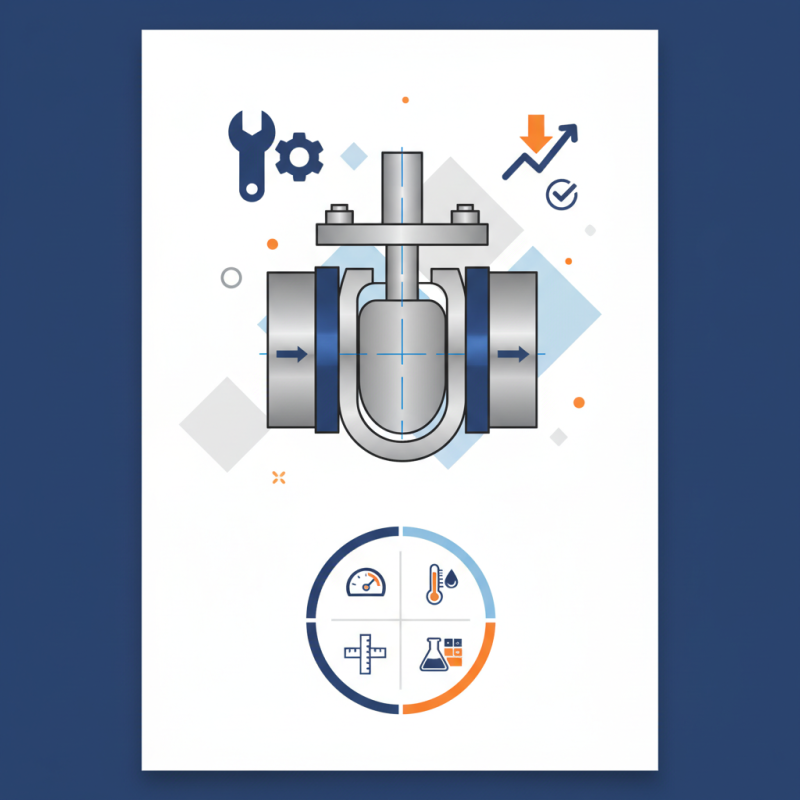
Double eccentric butterfly valves are vital in many industrial applications. They provide effective flow control in pipelines. Their design features a shaft offset from the center, which reduces friction. This results in better sealing performance and longer service life. These valves work well in high-pressure and high-temperature environments.
It's essential to consider the specific application when choosing a double eccentric butterfly valve. Think about factors such as size, material, and pressure ratings. For example, stainless steel might be best for corrosive environments. However, this doesn't guarantee optimal performance in all cases.
Installation can also be tricky. If not aligned correctly, you might face leakage issues. Regular maintenance is necessary to ensure they function properly over time. Sometimes, users overlook simple checks. This neglect can lead to costly repairs or system failures. So, thorough analysis and thoughtful decisions are crucial.
Key Factors to Consider When Selecting a Double Eccentric Butterfly Valve
Choosing the right double eccentric butterfly valve is crucial for any fluid control system. Key factors to consider include size, pressure rating, and material. The valve size must match the piping system. Too large, and flow control suffers. Too small, and it restricts flow.
Pressure rating is vital. It determines the valve’s ability to handle specific pressures. Verify operational conditions. It’s often overlooked, but pressure can change due to temperature. Material selection shouldn’t be simplified. Different materials resist various corrosive conditions. Plastic or metal? Consider the fluid type.
Another factor is the actuator type. Manual, pneumatic, or electric actuation affects valve performance. Installation may also become complicated. Space constraints can limit actuator choices. User feedback is mixed. Many struggle to communicate their needs effectively. An informed decision based on real-world experience often leads to better outcomes.
How to Choose the Right Double Eccentric Butterfly Valve?
This chart illustrates the key factors to consider when selecting a double eccentric butterfly valve, based on their importance rating. Each factor is rated on a scale from 1 to 10, with 10 being the most critical.
Materials and Design Features of Double Eccentric Butterfly Valves
Choosing the right double eccentric butterfly valve involves understanding its materials and design features. These valves often use metals like stainless steel or aluminum. According to recent industry reports, stainless steel accounts for about 50% of the market due to its corrosion resistance and strength. However, aluminum is lighter and offers good durability. This choice impacts the valve's performance in various environments.
The design features of double eccentric butterfly valves enhance their functionality. The double eccentric design allows for less friction during opening and closing. This reduces wear and prolongs service life. Reports indicate that valves with this design can last up to 30% longer than standard options. Furthermore, the sealing mechanism plays a crucial role. A proper seal prevents leaks and ensures efficiency. However, the complexity of these designs can make installation challenging.
Choosing materials wisely is essential, yet often underestimated. For instance, some users may prefer lower-cost alternatives, which could lead to poor performance. Balancing cost and quality is always tricky. Ultimately, the right material and design will depend on specific application needs, which requires thorough research and consideration.
Evaluating Performance Standards and Pressure Ratings for Valves
When selecting a double eccentric butterfly valve, performance standards are crucial. Check the valve's design. It needs to withstand the flow conditions it's meant for. Understand how the valve operates under varying loads. Performance declines can occur without proper evaluation.
Pressure ratings play a key role as well. Each valve has a specific pressure limit. Exceeding it could lead to failure. Many people overlook this, which causes costly repairs. It's important to assess the environment, too. For example, high-temperature applications require particular consideration. The materials used must withstand these conditions.
Evaluating these factors isn’t straightforward. Sometimes, the theoretical data on a valve doesn’t match real-world performance. Testing under controlled conditions can reveal weaknesses. Manufacturer specifications should always be cross-referenced with those tests. However, discrepancies can lead to regret later on. Ensuring all these aspects align is necessary for a reliable choice.
How to Choose the Right Double Eccentric Butterfly Valve? - Evaluating Performance Standards and Pressure Ratings for Valves
| Dimension | Nominal Size (DN) | Pressure Rating (Class) | Material | Temperature Range (°C) | Application |
| A | 50 | 150 | Stainless Steel | -20 to 200 | Water Supply |
| B | 100 | 300 | Ductile Iron | -10 to 150 | Wastewater Treatment |
| C | 150 | 600 | Carbon Steel | -40 to 120 | Oil & Gas |
| D | 200 | 500 | PVC | 0 to 60 | Chemical Processing |
Maintenance and Installation Tips for Double Eccentric Butterfly Valves
When installing a double eccentric butterfly valve, proper attention to the details is crucial. Start by ensuring that the installation site is clean and free from debris. This can prevent potential obstructions that may affect the valve’s performance. The alignment of the valve is also key. Even minor misalignments can lead to leaks or operational issues. Take your time to verify that the valve is centered and level between the flanges.
Maintenance is essential for the longevity of double eccentric butterfly valves. Regular visual inspections can help identify issues early. Check for signs of wear or corrosion, particularly around the sealing surfaces. If you notice any unusual sounds or vibrations during operation, it may indicate underlying problems. Lubricate the valve’s bearings periodically to ensure smooth operation. However, over-lubrication can cause its own set of problems, leading to unwanted residue build-up.
Don’t overlook the importance of a proper testing phase. After installation, ensure to conduct a pressure test to confirm the valve's integrity. Testing can reveal potential weaknesses that may not be visible during regular checks. Remember, a small oversight can lead to significant issues down the line. Keeping detailed maintenance records helps track performance and prompts timely interventions. This proactive approach can ultimately save you both time and resources in the long run.